
If you're exploring non-surgical facial rejuvenation, you've probably come across two popular injectable treatments: Sculptra and dermal fillers. Both can help restore facial volume, soften the appearance of wrinkles, and enhance facial contours, but they work in very different ways.
While traditional hyaluronic acid fillers provide immediate volume, Sculptra works gradually by stimulating your body's natural collagen production.
Whether you're looking to enhance your facial features, restore lost volume, or address changes in your appearance after weight loss, understanding the difference between these treatments can help you make a more informed decision.
At EverGlow Aesthetics in Tustin, CA, we take a personalized approach to facial rejuvenation, focusing on natural-looking results that complement your unique facial anatomy.
What Is Sculptra?

Sculptra is an FDA-approved injectable biostimulator made with poly-L-lactic acid (PLLA). Unlike traditional hyaluronic acid fillers, which add volume directly, Sculptra stimulates your body's natural collagen production to gradually improve facial fullness and soften the appearance of facial wrinkles.
As collagen develops over time, treated areas can appear fuller, smoother, and more naturally supported.
Benefits of Sculptra include:
Stimulates natural collagen production
Gradually improves facial volume
Softens the appearance of facial wrinkles and folds
Supports natural-looking facial contours
Provides results that can last up to two years
Sculptra is especially appealing to patients who prefer subtle, progressive improvements rather than immediate volume enhancement.
How Long Does Sculptra Take to Work?
Unlike traditional fillers, Sculptra results aren't immediate. Although you may notice temporary fullness after your appointment, this initial volume is largely related to the injected solution and typically subsides.
Collagen stimulation happens gradually, with visible improvements developing over the following weeks and months.
Most patients benefit from a series of treatments, often 2–3 sessions spaced approximately 4–6 weeks apart, depending on their individual needs and provider's recommendations.
What Are Dermal Fillers?
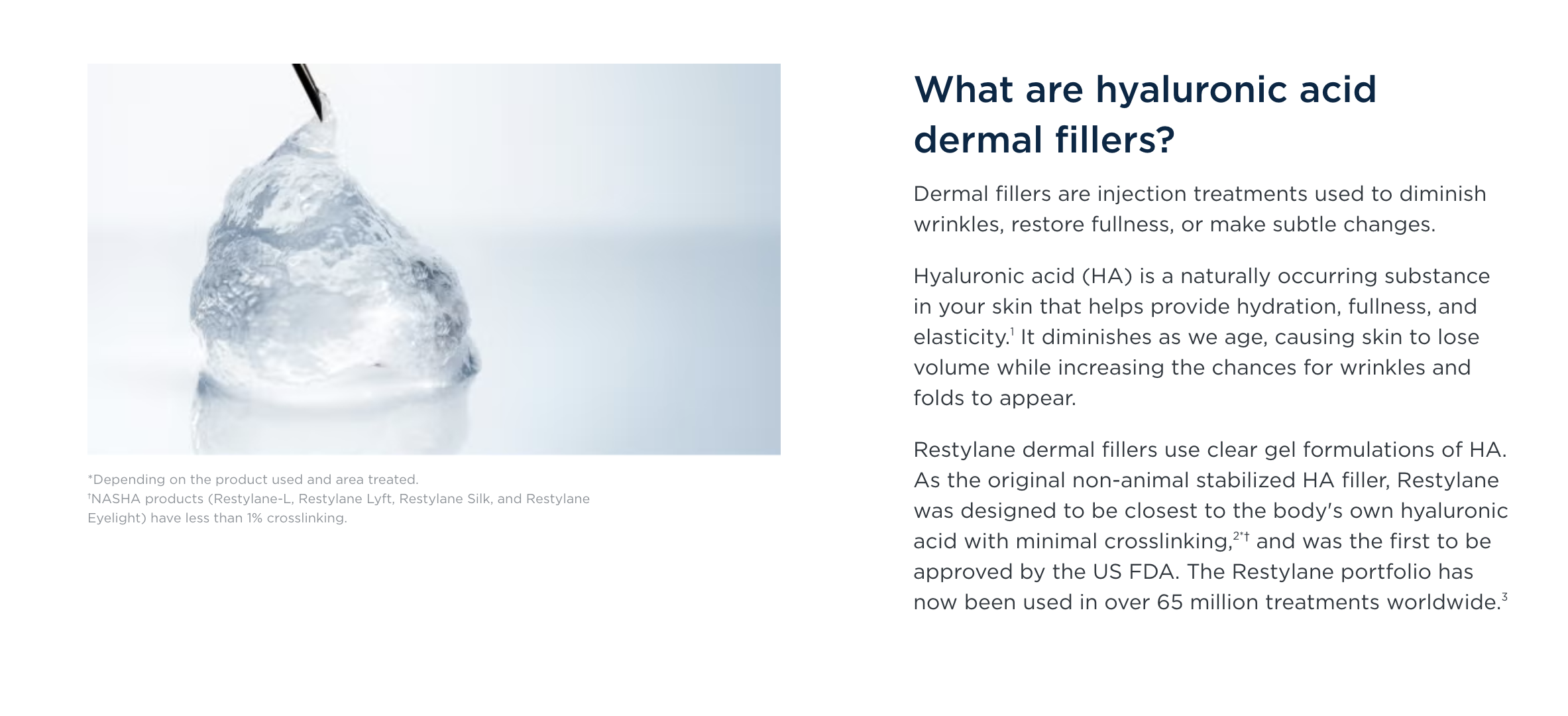
Dermal fillers are injectable treatments designed to restore volume, enhance facial contours, and smooth the appearance of wrinkles and folds.
At EverGlow Aesthetics, we offer hyaluronic acid (HA) dermal fillers, including products from the Juvéderm, Restylane, and Versa families.
Hyaluronic acid is a substance naturally found in the body that helps attract and retain moisture. When used in injectable fillers, it provides structure and volume to targeted areas.
Benefits of dermal fillers include:
Immediate, visible volume enhancement
Enhanced lip shape and definition
Improved cheek and chin contours
Softening of certain facial folds
Customizable facial balancing
Results that commonly last 6–18 months, depending on the product and treatment area
While improvements are visible immediately, final results are best assessed once any swelling has settled.
Sculptra vs. Fillers: What's the Biggest Difference?
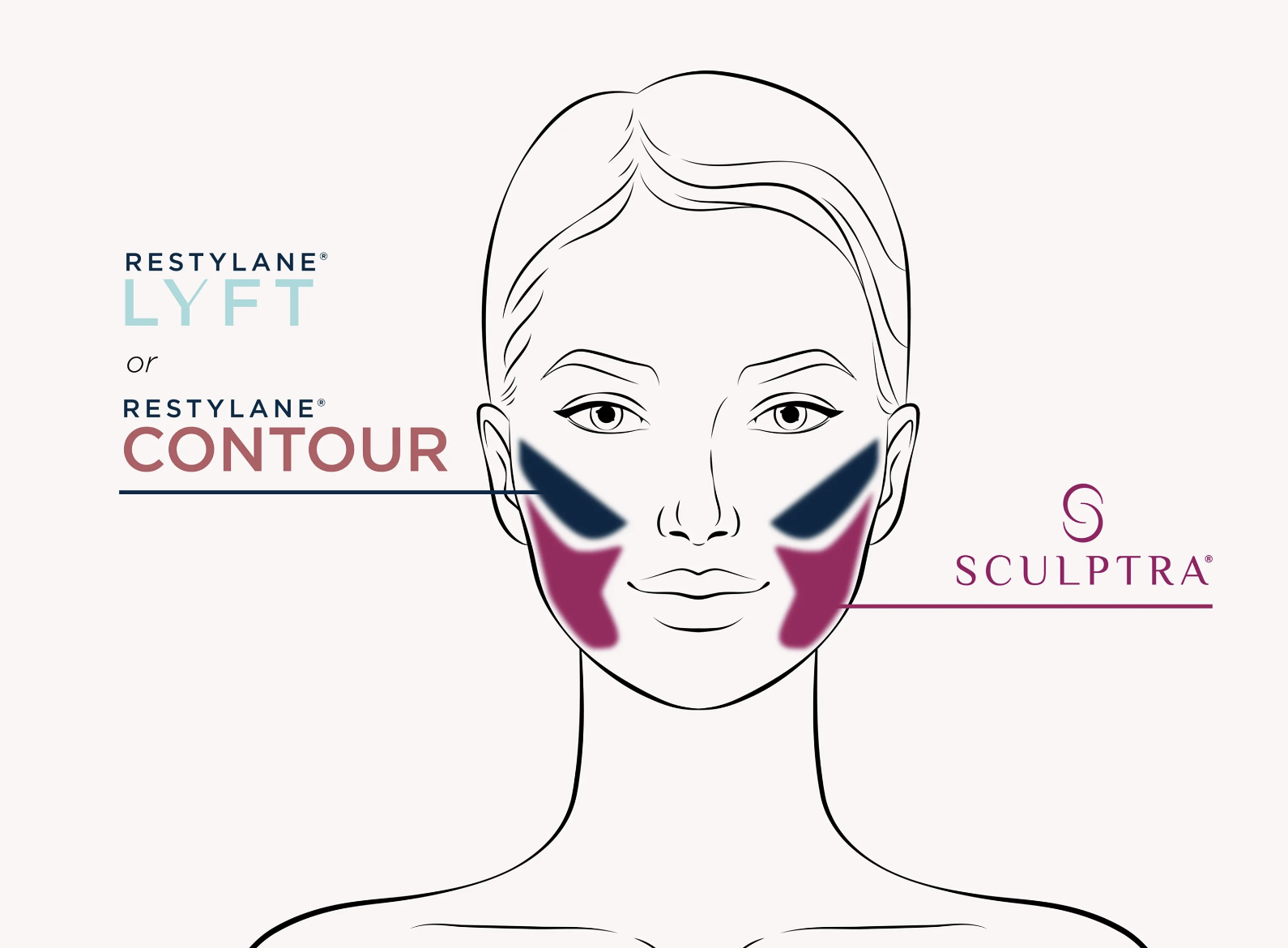
The biggest difference between Sculptra and hyaluronic acid fillers is how they create volume and how quickly results develop.
Sculptra: Gradual Collagen Stimulation
Sculptra works beneath the skin to encourage collagen production over time. Rather than adding immediate, targeted volume, it helps gradually restore facial fullness and improve the appearance of wrinkles.
It's often considered for patients experiencing broader facial volume loss who want progressive, natural-looking improvements.
Dermal Fillers: Immediate Volume and Definition
Hyaluronic acid fillers provide immediate structural support and volume. They're particularly useful when precise contouring, definition, or targeted enhancement is desired.
Neither treatment is necessarily better. The right option depends on your facial anatomy, aesthetic goals, and desired timeline.
Sculptra vs. Fillers for Facial Balancing
Facial balancing is a personalized approach to injectable treatments that focuses on improving facial proportions, restoring volume, and enhancing natural contours.
Rather than treating one isolated feature, facial balancing considers how different areas of the face work together to create overall harmony.
Both Sculptra and hyaluronic acid fillers can play a role in facial balancing, but they achieve results differently.
Sculptra for Facial Balancing
Sculptra gradually stimulates collagen production, making it an option for patients experiencing broader facial volume loss.
It can help restore fullness in areas such as the cheeks and support a more balanced facial appearance over time.
Dermal Fillers for Facial Balancing
Hyaluronic acid fillers provide immediate volume and more precise contouring. Depending on the product and individual anatomy, they can be used to enhance areas such as the cheeks, chin, jawline, and lips.
For some patients, combining Sculptra and dermal fillers may offer a more comprehensive approach to facial rejuvenation.
The goal of facial balancing isn't to change how you look. It's to enhance your existing features while maintaining natural-looking proportions.
Can Sculptra or Fillers Help With "Ozempic Face"?
Significant weight loss can sometimes lead to noticeable changes in facial appearance, including hollow cheeks, reduced facial fullness, and increased skin laxity. These changes are commonly referred to as "Ozempic face."
Despite the name, facial volume loss isn't exclusive to Ozempic or GLP-1 medications. It can occur with substantial weight loss from various causes.
Both Sculptra and dermal fillers may help address certain aesthetic changes associated with facial fat loss.
Sculptra for Ozempic Face
Sculptra may be recommended for patients who experience more generalized facial volume loss after weight loss.
By stimulating collagen production, Sculptra gradually improves facial fullness and the appearance of wrinkles and folds, helping create a softer, more refreshed appearance over time.
Dermal Fillers for Ozempic Face
Hyaluronic acid fillers may be better suited for patients looking to restore volume in specific areas, such as the cheeks or midface.
Because fillers provide immediate volume, they can help improve facial contours and address targeted areas of hollowness.
Which Is Better for Facial Volume Loss After Weight Loss?
The answer depends on your facial anatomy, degree of volume loss, skin quality, and aesthetic goals.
For some patients, Sculptra may be appropriate for gradual, broader volume restoration, while dermal fillers can provide targeted definition through facial balancing.
It's important to understand that neither treatment directly replaces lost facial fat or corrects every type of skin laxity. A personalized consultation can help determine which approach is appropriate, especially if your weight is still changing.
Which Areas Can Sculptra and Fillers Treat?
Although both treatments can address facial volume concerns, they aren't interchangeable for every area.
Sculptra Treatment Areas
Depending on your anatomy and treatment plan, Sculptra may be used to address:
Hollow or flattened cheeks
Facial volume loss
Nasolabial folds
Certain facial wrinkles and folds
Sculptra is generally better suited to broader facial volume restoration than precise enhancement of smaller areas.
Dermal Filler Treatment Areas
Depending on the specific product and its approved indications, hyaluronic acid fillers may be used for:
Lips
Cheeks and midface
Chin
Jawline
Nasolabial folds
Marionette lines
Your provider will recommend the most appropriate product and placement based on your anatomy and treatment goals.
How Long Does Sculptra Last Compared to Fillers?
One of the most common questions patients ask is whether Sculptra lasts longer than traditional dermal fillers.
Sculptra: Results can last up to two years following an appropriate treatment series. Because it stimulates collagen production, improvements develop gradually rather than appearing all at once.
Hyaluronic Acid Fillers: Results commonly last approximately 6–18 months, although some products and treatment areas may have longer durations.
Longevity varies based on the product, treatment area, individual metabolism, and treatment plan.
Can You Combine Sculptra and Dermal Fillers?
Yes! Sculptra and hyaluronic acid fillers can complement each other as part of a personalized facial rejuvenation plan.
For example, Sculptra may be recommended to gradually improve broader facial volume, while hyaluronic acid fillers can provide targeted enhancement to areas that benefit from additional definition.
This approach allows your provider to address different aesthetic concerns using treatments with complementary benefits.
However, combination treatments aren't necessary for everyone. Your provider will determine whether combining injectables, and how to space them, is appropriate for your goals and facial anatomy.
Is Sculptra Better Than Fillers for Natural-Looking Results?
Both Sculptra and dermal fillers can create natural-looking results when appropriately selected and administered by a qualified injector.
The difference comes down to the type of improvement you're seeking.
You may prefer Sculptra if you:
Want gradual, subtle improvements
Are interested in collagen stimulation
Have broader areas of facial volume loss
Prefer a treatment plan focused on progressive rejuvenation
You may prefer dermal fillers if you:
Want to see volume enhancement immediately
Are interested in lip enhancement or facial contouring
Want targeted definition in specific areas
Prefer a treatment that offers more precise volume placement
One additional consideration is reversibility. Hyaluronic acid fillers can generally be dissolved using hyaluronidase when clinically appropriate, while Sculptra cannot be dissolved in the same way.
Both treatments have potential side effects and risks, including swelling, bruising, lumps, and other complications. Injectable fillers can also cause rare but serious vascular complications, including tissue injury, vision loss, or stroke. A thorough consultation is essential before proceeding.
Frequently Asked Questions About Sculptra vs. Fillers
Does Sculptra replace dermal fillers?
Not necessarily. Sculptra and hyaluronic acid fillers serve different purposes. Sculptra gradually stimulates collagen, while fillers provide immediate volume and contouring. Some patients may benefit from one treatment, while others may be candidates for both.
Is Sculptra or filler better for facial balancing?
Both can be effective depending on your goals. Sculptra gradually stimulates collagen to improve facial fullness, while hyaluronic acid fillers provide immediate volume and targeted contouring. Your provider may recommend one or both treatments based on your facial anatomy.
Can Ozempic face be reversed with injectables?
Sculptra and dermal fillers may improve the appearance of facial hollowing and volume loss associated with significant weight loss. However, they don't restore lost facial fat itself, and results depend on individual anatomy, skin laxity, and treatment selection.
Is Sculptra worth it?
Sculptra may be a worthwhile option for patients who want gradual collagen stimulation and longer-lasting facial volume improvement. The value depends on your goals, the number of sessions recommended, and your individual response.
Is Sculptra more expensive than filler?
Sculptra often involves multiple treatment sessions, which can increase the initial investment. However, its longer-lasting results may appeal to patients seeking gradual collagen-based rejuvenation. Pricing depends on the amount of product and treatment plan.
Can Sculptra be used in the lips?
Sculptra is not recommended for lip augmentation. Hyaluronic acid fillers are generally the more appropriate option for patients seeking lip volume, shape, or definition.
What age should you start Sculptra?
There's no single ideal age to begin Sculptra. Treatment decisions should be based on facial anatomy, volume changes, aesthetic goals, and medical suitability rather than age alone.
Can I get Botox with Sculptra or fillers?
Yes. Botox and other neuromodulators can complement injectable treatments by addressing expression-related wrinkles, while Sculptra and fillers target volume and facial contours. Your provider can recommend an appropriate combination and treatment schedule.
Discover Your Ideal Injectable Treatment at EverGlow Aesthetics in Tustin, CA
Choosing between Sculptra and dermal fillers isn't about finding the better injectable. It's about finding the right treatment for your face.
At EverGlow Aesthetics, we specialize in personalized facial rejuvenation designed to enhance your natural features while maintaining balanced, refined results.
Whether you're interested in gradual collagen stimulation with Sculptra, immediate enhancement with dermal fillers, facial balancing, or restoring facial volume after significant weight loss, our team can help you explore the options best suited to your goals.
Conveniently located in Tustin, California, EverGlow Aesthetics welcomes patients from Irvine, Santa Ana, Orange, and surrounding Orange County communities.
Ready to explore your options? Schedule a consultation at EverGlow Aesthetics to discover whether Sculptra, dermal fillers, or a combination is right for